
We often encounter misconceptions about automated gates. People sometimes think they’re not suitable for every type of driveway gate, that they can’t be used in high winds, or that they’re prone to break down. None of these things are true, and there are all kinds of gate solutions available for nearly every situation.
Another common misconception is that automated gates are expensive to run and if you install them, you’re going to see a huge increase in your electricity bill. Of course, adding any kind of electrical installation to your home is likely to increase your bills. But just how much exactly does it cost to run electric gates?
You might be pleasantly surprised by the answer.
Understanding Electric Gate Power Consumption
While not being a completely exact science, it’s possible to calculate roughly how much it costs to run electric gates.
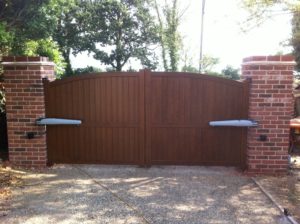
The overwhelming majority of private residential gates will run on a 230v power supply. This is suitable for gates that aren’t going to open and close more than eight times an hour. For most residential settings, most of the time, this is fine. On average, domestic gates will open and close 15 times during a 24-hour period and we’ll use that figure in our calculations.
When they’re on standby electric gates will on average consume around 100watts of electricity a day. If the gates are active, they can use up to around 700w. The amount of time they are running is limited. An average gate opening and closing cycle will only last 20 seconds in each direction. This works out at around 0.2p, on your energy bill for every cycle of your gates.
If we take the average number of times a gate will open and close to be 15, then the cost over a year will be £15-16 for a residential gate installation. That works out at about 28 pence a week. Then you can perhaps subtract the days when the family go out less in the winter, and the weeks when the homeowner goes on holiday and the gates remain closed, to drive that figure down even further.
It’s fair to say, that electric gates are really not going to send your electricity bill rocketing!
Do Electric Gates Use Power on Standby?
Yes, an automatic gate system uses a small amount of electricity while on standby because components such as the control panel, safety devices and access controls remain powered and ready for use. Standby consumption varies depending on the automation equipment installed, so the exact electricity usage will differ between gate systems.
How Much Do Electric Gates Cost to Run?
Based on typical residential use, electric gate running costs can be relatively low. A domestic automatic gate opening and closing around 15 times per day may cost approximately £15–£16 per year in electricity, although the actual cost will depend on the gate motor, frequency of use, standby power consumption and current electricity prices.
Larger gates, more powerful motors and frequently used automatic gate systems may consume more electricity, so running costs will vary between installations.
Additional Costs to Consider
If you’ve calculated the cost of your gates and automation package, and you’re not worried about finding the extra 28pence a week to pay for the convenience and security of automated gates, what other costs might you need to consider?
Installation costs
After purchasing the gates and the automation equipment, your next biggest cost will be the installation. There’s no legislation regarding who can or can’t install electric gates but we strongly recommend that you should have your gates installed by a professional installer. The price you will pay for their services should include safety audit, safe gate system design and professional installation, plus a guarantee.
Prices will be determined by factors including the circumstances at your property and the amount of groundwork required. For instance, sliding gates require tracks, and underground swing gate motors need drainage pits.
To help with your budgeting, make sure you get some quotes for installing your gates prior to making your purchase.
Electric gate installation costs can vary depending on the type and size of the gate, the automation system selected, groundwork requirements and the access control equipment required. Swing and sliding gate systems may also have different installation requirements, so obtaining a tailored quotation is the best way to understand the overall cost for your property.
Maintenance costs
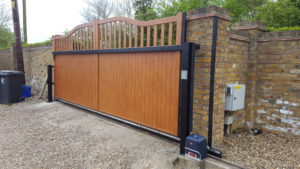
The largest ongoing cost associated with electric gates is regular maintenance. This is vital to keep your gates working efficiently over the long-term. Failure to have your gates maintained regularly enough could ultimately result in problems at a later date.
Electric gates are incredibly hard-wearing and dependable when properly maintained. This is especially true of aluminium gates, which naturally resist rust and corrosion. Regular electric gate maintenance can help the motor and automation components operate efficiently, reduce unnecessary power consumption and extend the lifespan of the system.
The costs of keeping your gates maintained will depend on the site, the systems you use and how far your maintenance engineer is travelling. As a rule, the more you use your gates the more maintenance they will require. The average residential gates may only need servicing a couple of times a year.
It’s possible to set up maintenance plans with gate engineers. This spreads the cost of maintaining your gates and usually includes an agreed number of service visits every year. It may also cover you for the cost of some parts and other related sundries. It will usually include guarantees for their work. Entering into such a contract can give you peace of mind knowing that your gates are being looked after.
Regular servicing can also help control long-term electric gate costs by identifying worn or inefficient components before they develop into larger problems. Keeping motors, tracks, hinges, safety devices and access controls in good working condition can help the gate automation system operate reliably and efficiently.
Energy-Saving Tips for Electric Gates
You can help reduce electric gate power consumption by choosing an efficient motor that is correctly sized for your gate and keeping the automation system properly maintained. Regular servicing can help motors operate smoothly without using unnecessary energy.
Where suitable, modern low-voltage gate automation systems can also provide efficient operation. Keeping tracks, hinges and other moving components clean and well maintained reduces resistance and helps the motor work efficiently during each opening and closing cycle.
Overall, we usually find that people are pleasantly surprised at the installation, running and ongoing maintenance costs of electric gates.
If you’d like more information about the costs involved why not talk to one of our friendly and experienced team? Give us a call on 033 022 34800, or use the contact form on our website.
Frequently Asked Questions About Electric Gate Running Costs
Do electric gates use a lot of electricity?
No. Residential electric gates generally operate for only short periods when opening and closing. Most of the time, the automation system remains on standby, so electricity consumption can be relatively low.
What affects electric gate running costs?
Running costs depend on factors such as the gate motor, gate size and weight, how frequently the gates operate, standby consumption and current electricity prices.
Are sliding gates more expensive to run than swing gates?
Running costs vary according to the motor and individual installation rather than simply whether the gate slides or swings. A correctly specified and well-maintained automation system can help keep energy consumption efficient.